
Real Estate. Identity. Ownership. Community.
Building Freedom
in Japan.
I help people understand Japan beyond the surface through public documentation, honest media, and long-term community building.
Hey Akiya Hunters.
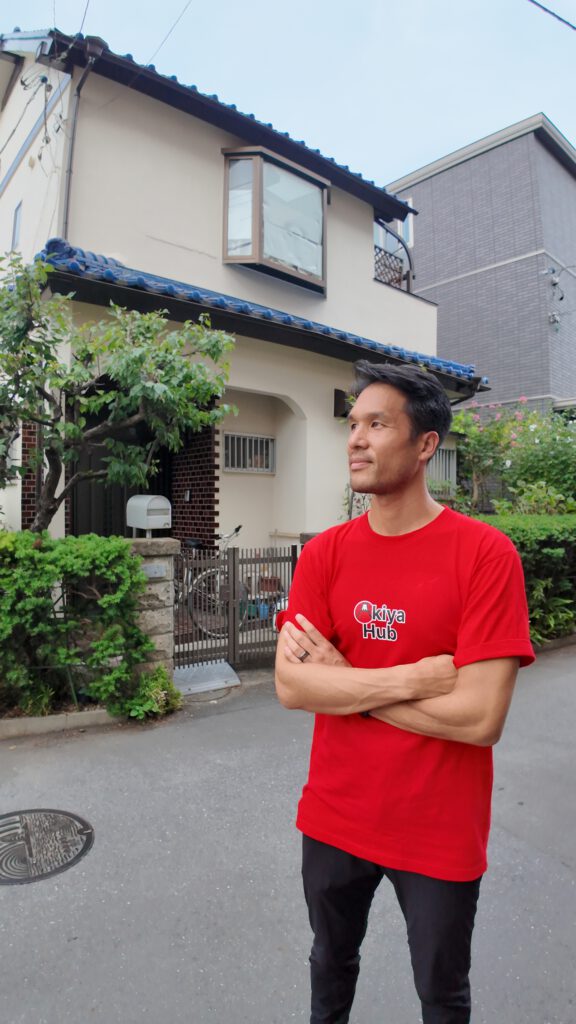
Hi, I’m Shu Matsuo Post. I’m on a mission to help people build real, intentional lives in Japan through property, storytelling, and community.
After years of working on the ground in Japanese real estate, I realized the real path into Japan isn’t through hacks or shortcuts. It’s through doing the actual work, with real people, inside a culture most outsiders never truly understand.
I’ve seen too many people burned by bad information, vague promises, and advisors who’ve never held a key to an akiya in their lives. I built Post FI, co-founded AkiyaHub, and wrote a book because I believe you can design your life intentionally even inside a deeply traditional society like Japan.
Fewer promises. Better outcomes. Long-term trust.
If you’re looking for hype, I’m not your guy. If you want clarity, honesty, and a grounded path forward in Japan you’ve come to the right place.
Be part of the journey.
225K
500K
390K
the reality
Japan Has a Housing Problem.
I’m Working on a Solution.
Japan has millions of vacant homes.
Not because no one wants them, but because:
The system is confusing.
The risks feel opaque.
Foreigners are often shut out.
Stories are rarely told honestly.
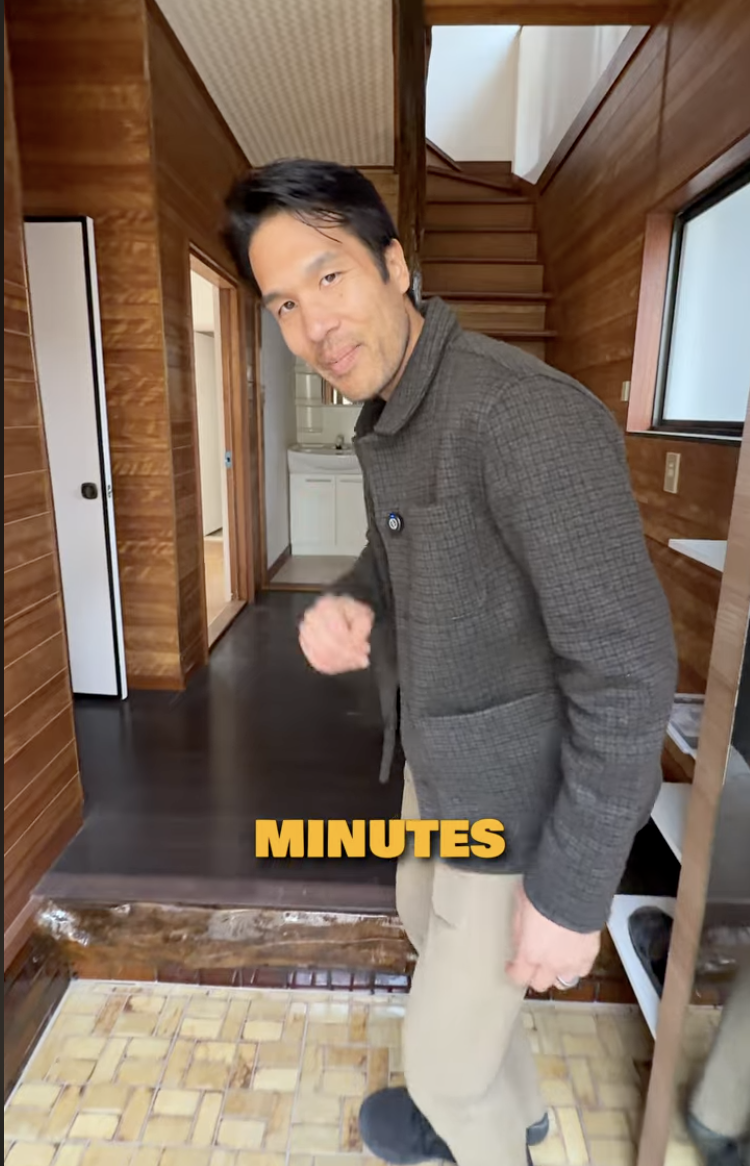
I spend my time walking these homes, talking to owners, working with local agents, and helping foreigners understand what’s actually possible and what’s not.
This isn’t about flipping houses.
It’s about reviving places, respecting communities, and creating responsible pathways forward.
That’s why community matters more than transactions.
Learn. Observe. Ask questions. Decide when you’re ready.
Media
POST FI
Post FI is a Japanese real estate media company I founded to document the real truths of property ownership in Japan.
Through long-form video, on-site walkthroughs, interviews with local experts, and real client stories, Post FI shows what actually happens:
- Where deals fall apart
- Why “cheap” isn’t always cheap
- How culture, law, and incentives really work
- And what foreigners consistently misunderstand about Japan real estate
The goal isn’t to sell houses.
It’s to create clarity.
Occasionally, I work directly with a small number of people to buy homes in Japan, but that’s no longer the center of gravity. It’s a byproduct of trust built through years of public documentation.
Post FI is about media first, truth always, and long-term credibility over volume.
For media inquiries:
media@postfi.co



Community and action
AkiyaHub
Through AkiyaHub, I’ve educated and supported thousands of people exploring home ownership in Japan.
AkiyaHub is where education turns into action.
It’s a global community that helps thousands of people understand—and successfully buy—homes in Japan.
Unlike one-off videos or scattered advice, AkiyaHub brings everything together:
- Market realities across regions
- Legal and ownership context
- Renovation costs, risks, and timelines
- Cultural nuance that actually affects outcomes
- Real examples from buyers who’ve gone before you
It’s about understanding first.
Origins
The Book That Started This Path

In 2020, I published I Took Her Name.
On the surface, it’s about marriage and identity.
In reality, it’s about freedom and the courage to choose a life that doesn’t fit neatly into social expectations.
That same question runs through everything I do now:
Where do we live?
Who decides what’s “normal”?
What does ownership actually mean?
How much of our life is inherited and how much is chosen?
Real estate is just one expression of that freedom.
Japan, with all its rules and contradictions, makes that question unavoidable.
on the ground Documentation
A Voice from the Inside.
Most people talk about Japan from the outside.
I walk the homes.
I interview the agents and the buyers.
I show the numbers.
I share what goes wrong.
Across YouTube and social platforms, I document real properties, real buyers, and real decisions so others don’t have to learn the hard way.